Interventional Cardiology in Athens, GA
When heart conditions require immediate or advanced treatment, every moment matters. At St. Mary’s Health Care System, our interventional cardiology team provides minimally invasive procedures designed to restore blood flow, reduce recovery time, and help you get back to living your life with confidence.
Advanced Catheter-Based Heart Treatments and Emergency Cardiac Care in Athens and Northeast Georgia
What Is Interventional Cardiology?
Interventional cardiology is a specialized area of heart care that uses minimally invasive, catheter-based procedures to diagnose and treat conditions affecting the heart and blood vessels.
Instead of traditional open-heart surgery, these procedures are performed using a thin, flexible tube (called a catheter) that is guided through a blood vessel to the heart. This approach allows providers to treat blockages, repair blood vessels, and improve blood flow with less recovery time and fewer complications.
At St. Mary’s, interventional cardiology plays a critical role in both emergency heart attack care and planned procedures, helping patients receive the treatment they need quickly and safely.
Frequently Asked Questions About Interventional Cardiology
An interventional cardiology procedure is a minimally invasive treatment used to diagnose or treat heart conditions. Instead of surgery, your provider uses a catheter to reach the heart through a blood vessel, allowing them to open blocked arteries or repair certain issues.
These procedures are designed to be effective while also reducing recovery time, helping you return to daily life more quickly.
No, interventional cardiology is an alternative to open-heart surgery. These procedures are performed through small entry points, rather than opening the chest.
For many patients, this means less discomfort, shorter hospital stays, and a faster recovery. Your provider will help determine which option is best based on your condition.
Angioplasty is a procedure used to open narrowed or blocked arteries. A small balloon is inflated inside the artery to restore blood flow to the heart.
This procedure is often used to treat coronary artery disease and can help relieve symptoms like chest pain while reducing the risk of a heart attack.
A stent is a small mesh tube placed inside an artery to help keep it open after it has been widened during angioplasty.
Not every patient needs a stent, but in many cases, it helps prevent the artery from narrowing again. Your provider will determine what is best for your specific situation.
Most procedures take about one hour, although this can vary depending on the complexity of your condition.
Your care team will walk you through what to expect before your procedure so you feel prepared.
Many interventional procedures are performed with mild sedation, meaning you will be relaxed and comfortable but not fully asleep.
Your team will monitor you closely and ensure you feel as comfortable as possible throughout the procedure.
Recovery is typically much faster than traditional surgery. Many patients go home the same day or the next day and are able to return to normal activities within a week.
Your provider will give you specific guidance based on your procedure and overall health.
Yes, interventional cardiology procedures are widely used and considered safe when performed by experienced specialists.
At St. Mary’s, our team uses advanced technology and follows established protocols to ensure the highest level of care.
In some cases, yes. By identifying and treating blockages early, these procedures can help reduce the risk of a heart attack and improve overall heart health.
After your procedure, your care team will review your results, monitor your recovery, and provide guidance for next steps.
This may include medications, lifestyle recommendations, and follow-up visits to support your long-term heart health.
You can start by talking with your primary care provider or cardiologist about your symptoms or risk factors. If needed, they can refer you for further evaluation or treatment.
Our team is here to guide you through every step, from diagnosis to recovery.
Advanced Heart Treatment Close to Home in Athens, GA
If you or a loved one needs advanced heart care, St. Mary’s interventional cardiology team is here to help. Talk with your provider or contact us today to learn more about your treatment options.
Related Providers
Charles Bradley Neckman, MD
Cardiology +3 more
Accepting New Patients
St. Mary's Medical Group

Patrick Douglas Willis, MD
Interventional Cardiology +2 more
Accepting New Patients
St. Mary's Medical Group
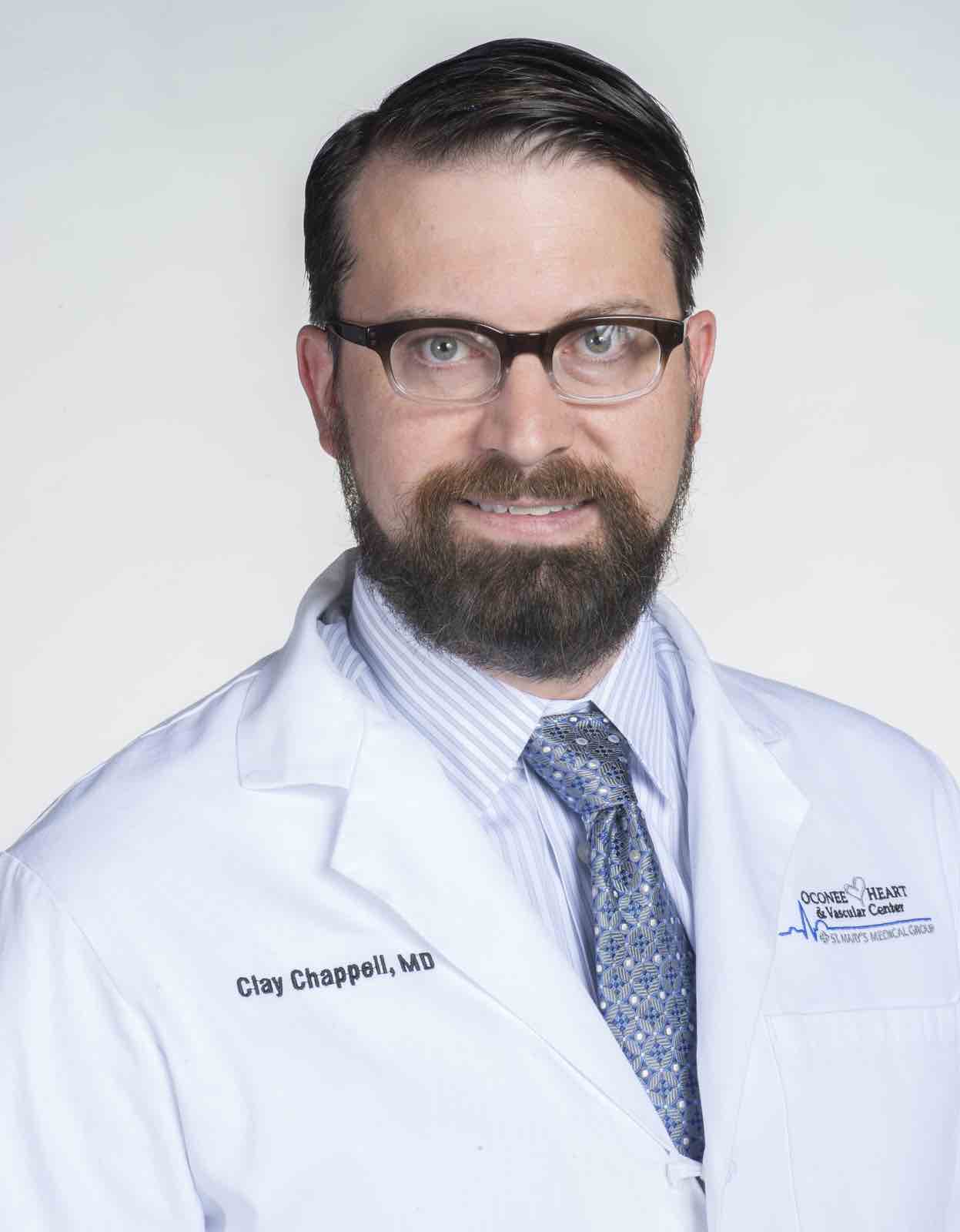
Clay Hollis Chappell, MD
Interventional Cardiology +2 more
Accepting New Patients
St. Mary's Medical Group


Related Locations

St. Mary's Good Samaritan Hospital
5401 Lake Oconee Parkway
Greensboro, GA 30642-4232
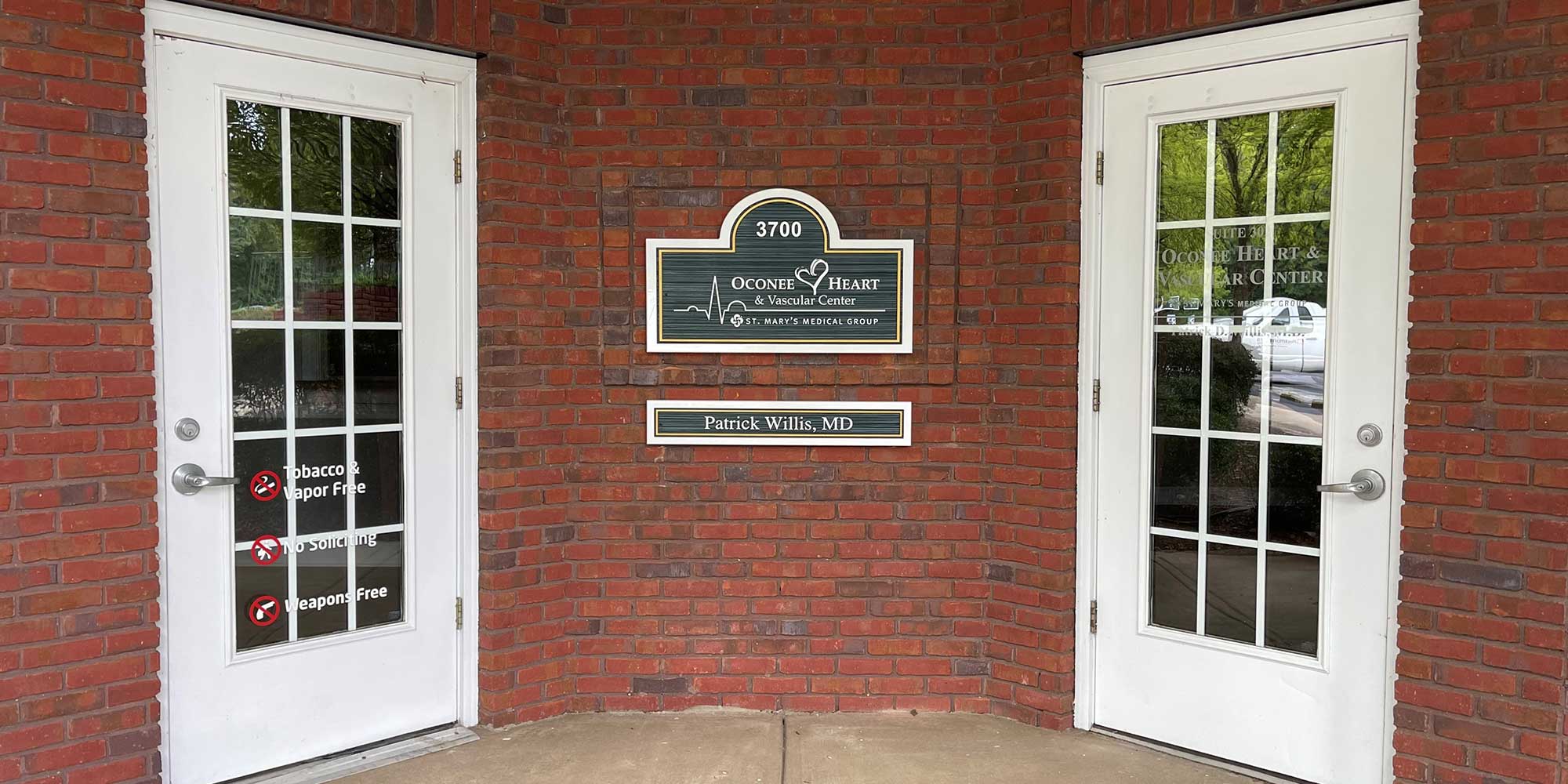
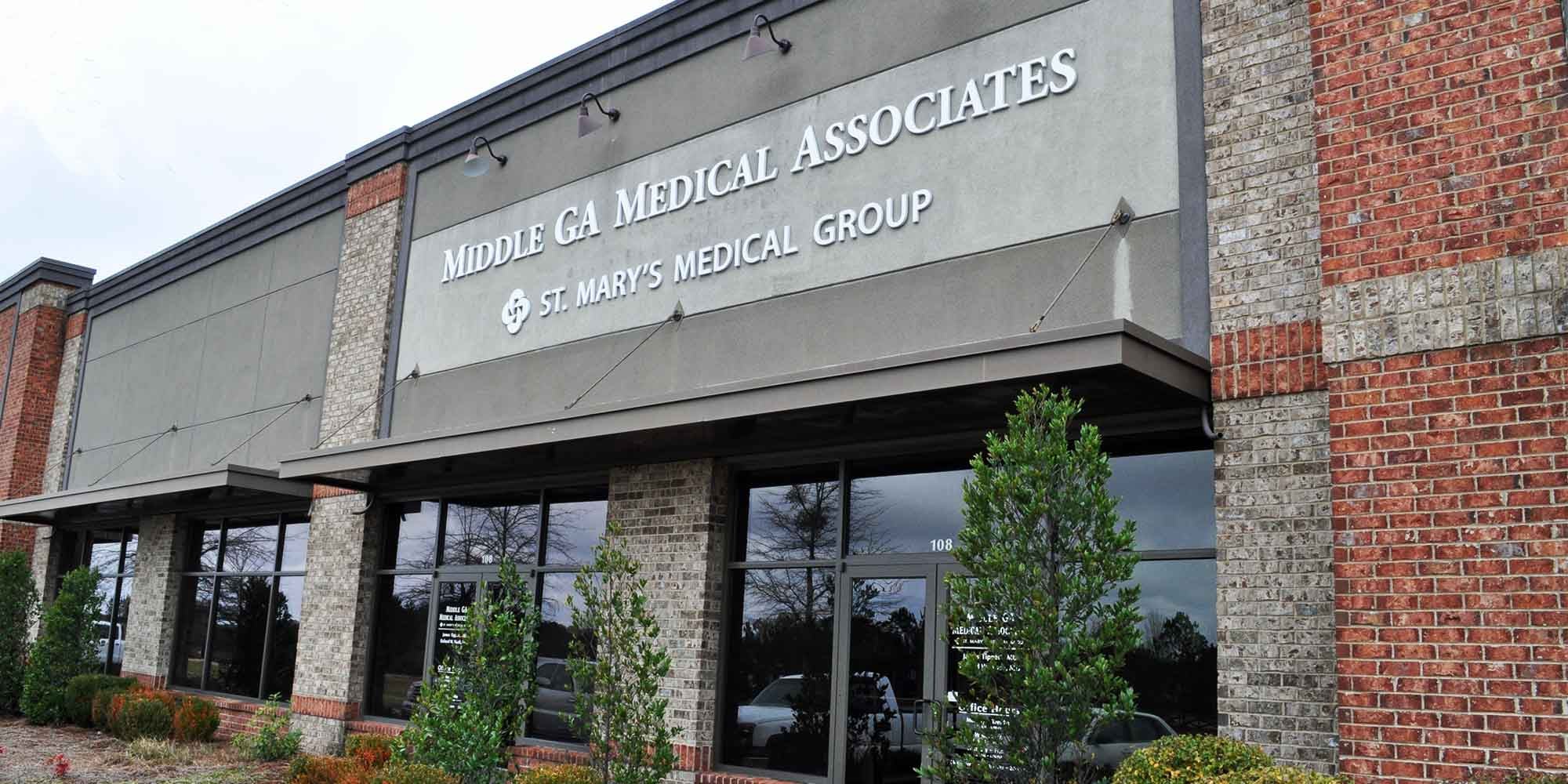
Oconee Heart & Vascular Center - Greensboro
1110 Commerce Dr Ste 108
Greensboro, GA 30642
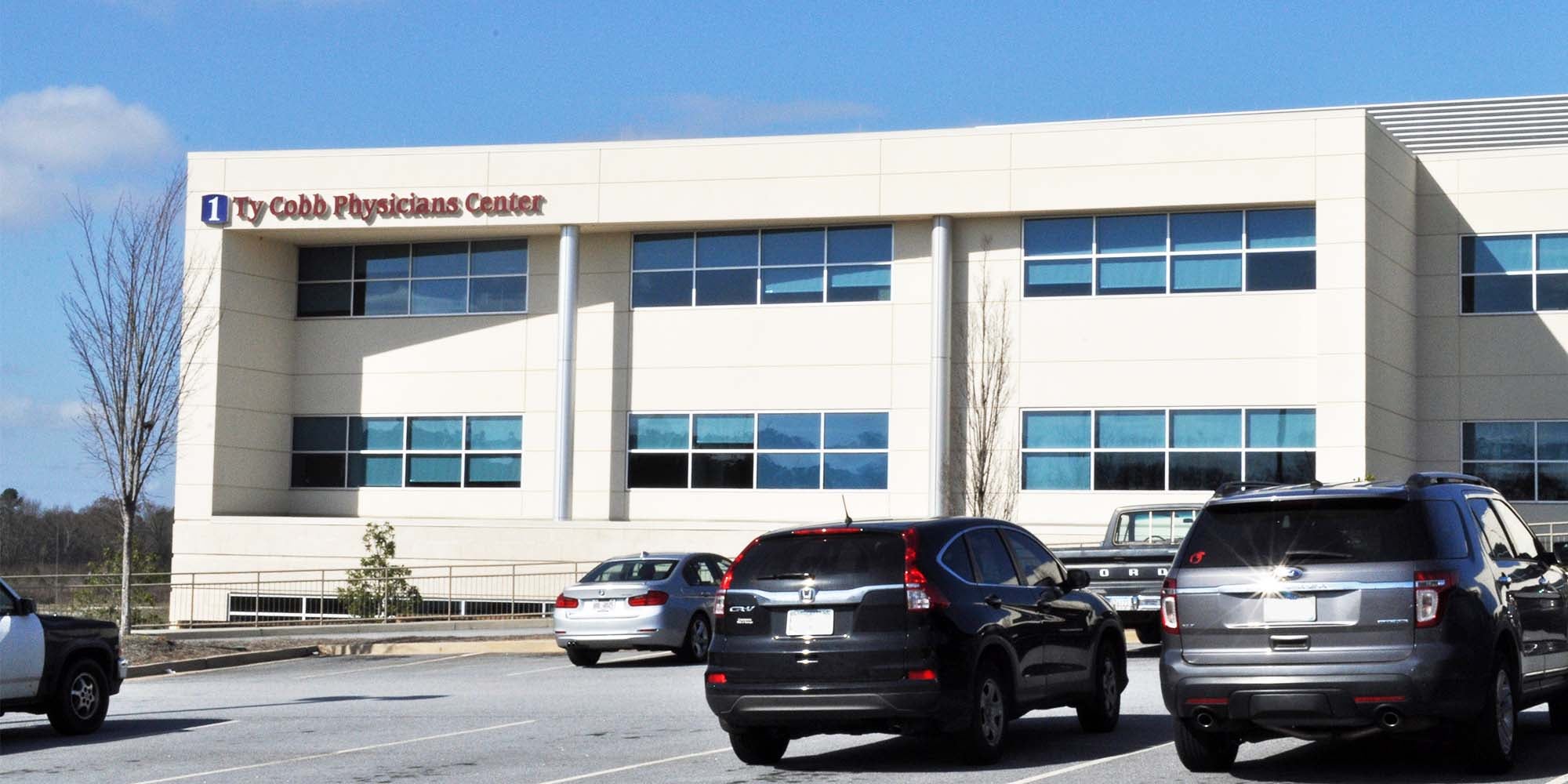
Oconee Heart and Vascular Center - Lavonia
355 Clear Creek Pkwy Ste 1003
Lavonia, GA 30553
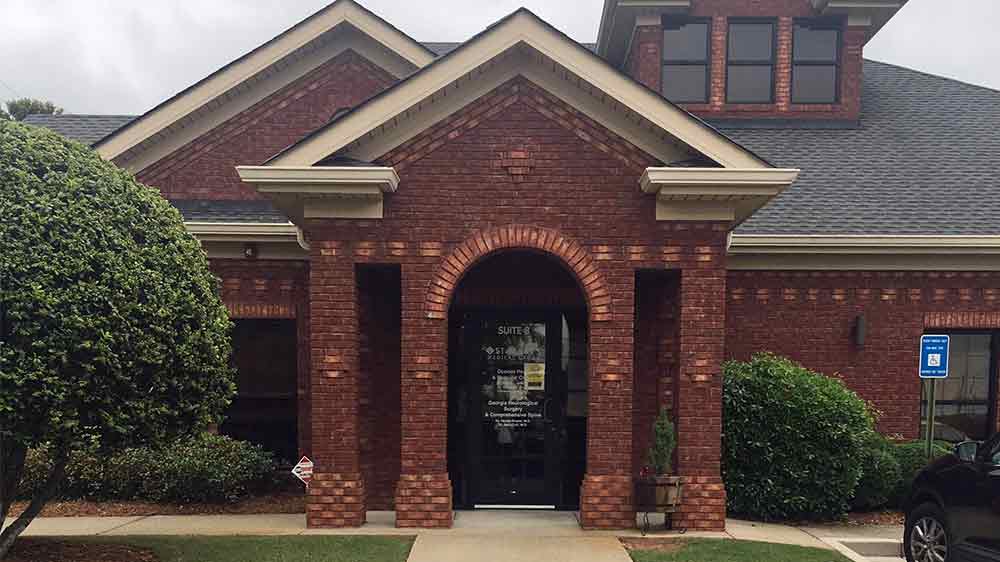
Oconee Heart & Vascular Center - Monroe
868 Michael Etchison Rd. Suite B
Monroe, GA 30655